Hani Sabaie

I hold an M.Sc. in Human Genetics and have research experience in computational genomics, structural variation, functional genomics, and transcriptomics.
My research interests center on diagnostic genetics and genomics, structural variation, variant-to-function studies, and computational approaches to understanding rare and complex diseases.
I am currently seeking a PhD position in Genomics, Bioinformatics, Computational Biology, or related fields.
Selected Publications
- Genome Biol
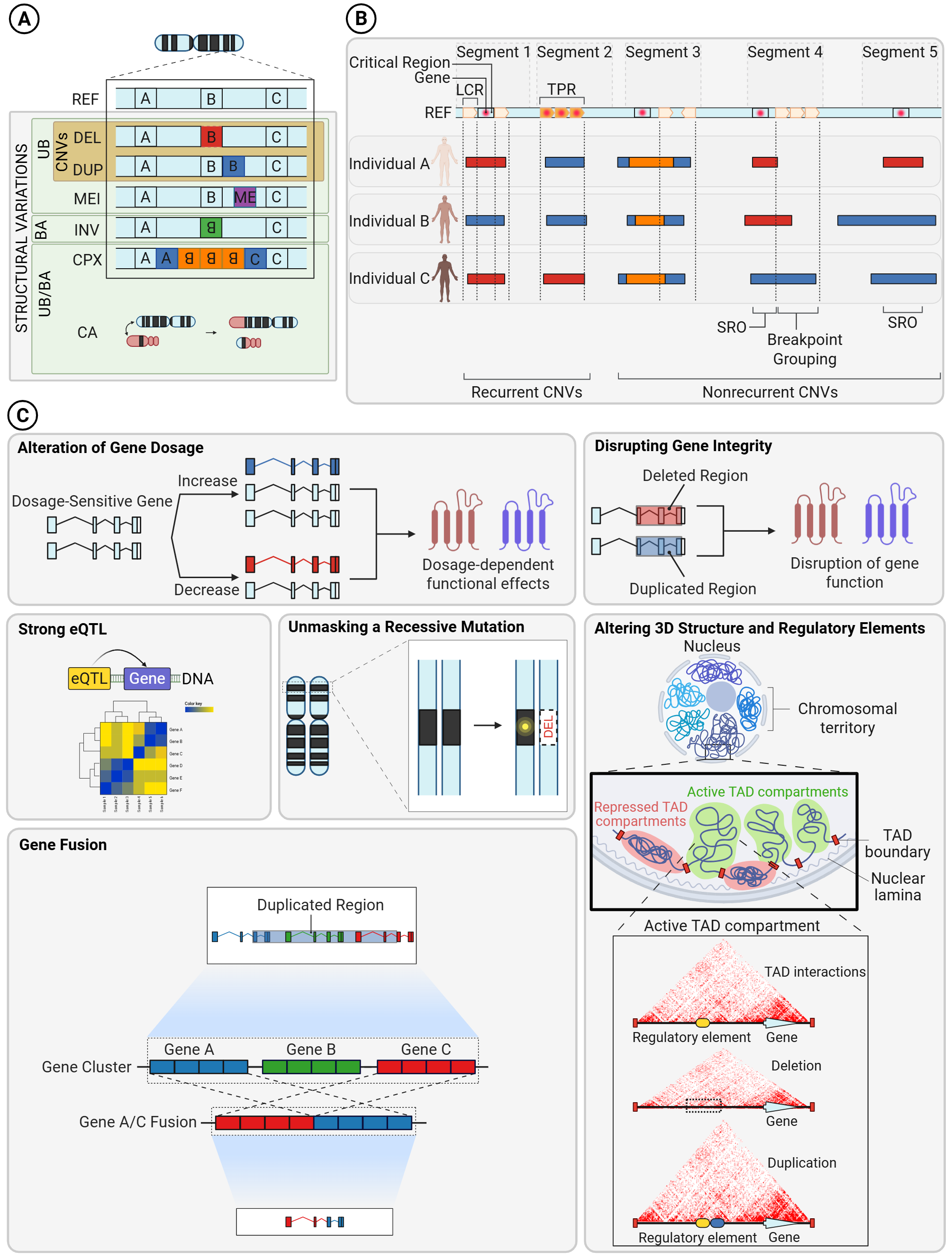 Computational Strategies for Copy Number Variation Detection, Disease Association, and BeyondAmir Hossein Saeidian*, Hani Sabaie*, Mahdi Akbarzadeh*, and 9 more authors2026
Copy number variations (CNVs) are key structural variations that contribute to human genetic diversity, evolution, and disease susceptibility. Advances in sequencing technologies and computational methods have improved CNV detection, yet association studies remain challenged by methodological limitations and a lack of standardisation. This review provides an overview of computational strategies for germline CNV detection and disease association. We highlight the value of CNV analysis for uncovering genetic contributions to complex traits and disease risk and outline an analysis workflow including key benchmarking methods. We also discuss current challenges and future directions for advancing CNV detection and association analysis.
- Mol Neurobiol
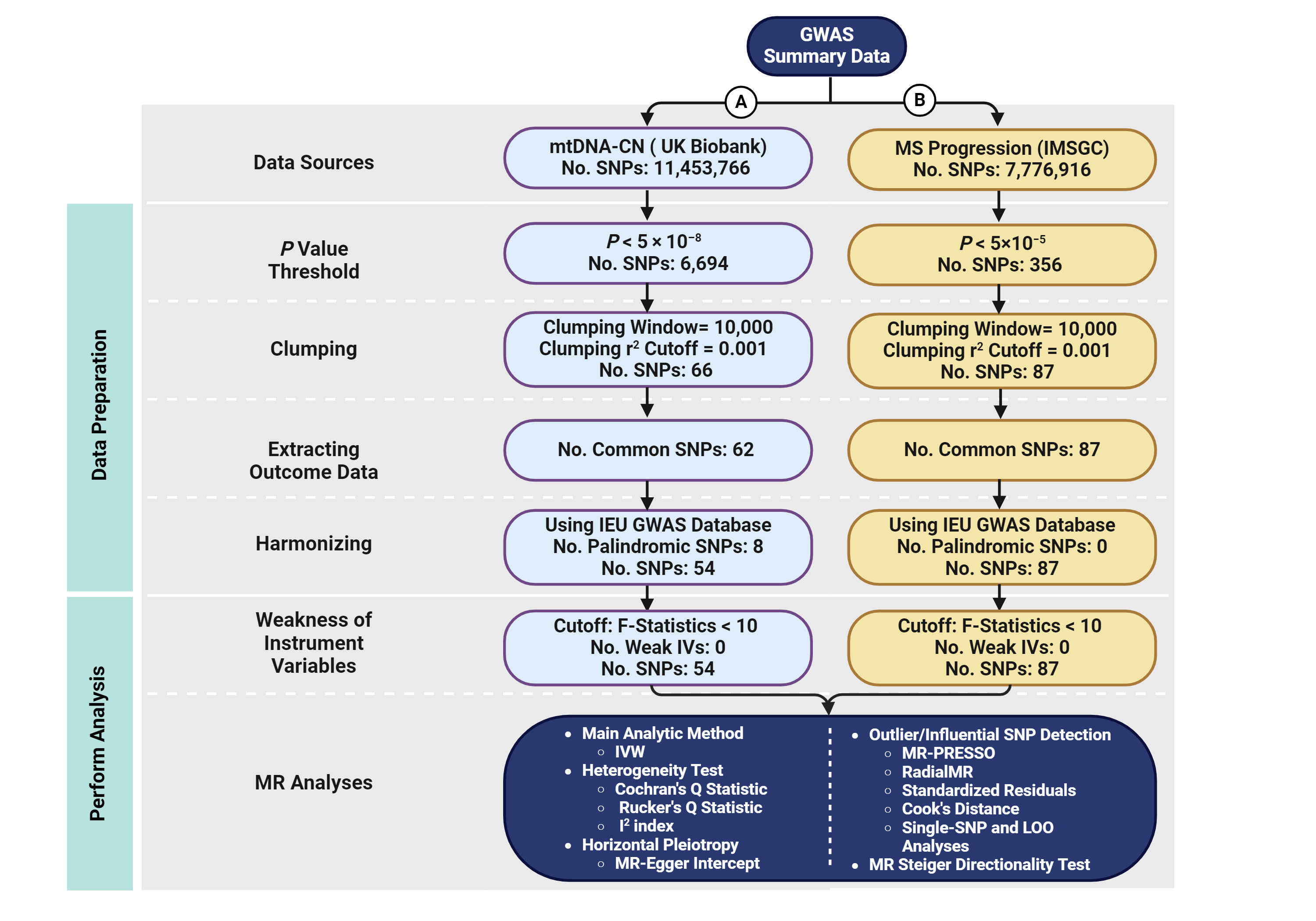 Mitochondrial DNA Copy Number as a Hidden Player in the Progression of Multiple Sclerosis: A Bidirectional Two-Sample Mendelian Randomization StudyHani Sabaie, Ali Taghavi Rad, Motahareh Shabestari, and 14 more authors2025
The relationship between mitochondrial DNA copy number (mtDNA-CN) and multiple sclerosis (MS) progression remains unclear, as previous observational studies have reported conflicting results. This study aimed to clarify the association between mtDNA-CN and MS progression using a bidirectional two-sample Mendelian randomization (MR) approach. MR analyses were conducted using the latest summary statistics from genome-wide association studies (GWAS) on mtDNA-CN and MS progression. Single-nucleotide polymorphisms (SNPs) associated with mtDNA-CN were extracted from 383,476 participants of European ancestry in the UK Biobank, while SNPs associated with MS severity were obtained from the International Multiple Sclerosis Genetics Consortium (IMSGC), comprising 12,584 cases of European ancestry. The inverse variance weighted (IVW) method was used as the primary analysis. Potential heterogeneity and pleiotropy were evaluated, and sensitivity analyses were performed to ensure the robustness of the results. The forward MR analysis using the IVW method revealed no significant association between mtDNA-CN and MS progression (P = 0.487). However, reverse MR analysis identified a causal association between MS progression and mtDNA-CN (β = − 0.010, 95% CI = − 0.019 to − 0.001, P = 0.036). No evidence of heterogeneity or horizontal pleiotropy was found in the analyses. Sensitivity analyses yielded consistent results. Our findings suggest that MS progression may causally influence mtDNA-CN, highlighting the crucial role of mitochondria in the pathophysiology of MS. However, further research is needed to confirm mtDNA-CN as a reliable biomarker and a deeper understanding of the molecular mechanisms is necessary to develop targeted therapeutic interventions.
- Hum Genomics
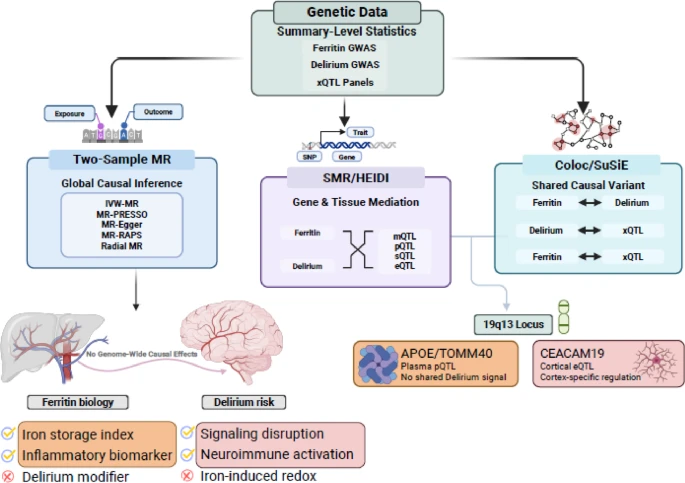 Serum ferritin and delirium risk: an integrative genomic analysis of causal inference and multi-tissue regulatory signalsAmirhossein Saed, Mahdi Akbarzadeh, Fatemeh Gohari, and 7 more authors2026
Delirium is an acute neuropsychiatric syndrome characterized by disrupted attention and cognition, often triggered by systemic inflammation and physiological stress. Elevated serum ferritin is frequently observed in patients with delirium. Since ferritin couples iron handling to inflammatory signaling during acute-phase responses, it remains unclear whether genetically influenced baseline serum ferritin is a modifiable causal risk factor for delirium, or whether ferritin elevations observed during illness mainly reflect downstream systemic states leading to brain network failure. We used genetic triangulation to assess baseline causality and identify regulatory mechanisms influencing delirium susceptibility. Using harmonized GWAS summary statistics for ferritin (GCST90270865; N = 270,794) and delirium (GCST90473243; 8461 cases, 449,979 controls), we found no evidence that genetically proxied increases in ferritin causally raise delirium risk (primary MR: IVW random-effects OR = 1.09 per 1/SD ferritin, 95% CI 0.93–1.26; p = 0.282). Genome-wide overlap was limited, with weak, non-significant cross-trait genetic correlation and minimal shared polygenic signal. Mechanistic follow-up at the locus level across multi-tissue QTL resources identified widespread ferritin-linked cis-QTL signals (255 probes, 126 genes), while delirium showed sparse mediator signals (four probes, three genes), all on chromosome 19. At 19q13, ferritin strongly colocalized with an APOE plasma pQTL (PP.H4 = 0.999; SuSiE PP.H4 ≈ 1.00), whereas delirium colocalized with a cortex CEACAM19 eQTL (PP.H4 = 0.9983). Outside 19q13, ferritin colocalized with iron regulation signals at SLC11A2 whole-blood eQTL (PP.H4 = 0.853) and TF liver sQTL (PP.H4 = 0.966), with no evidence of ferritin–delirium colocalization. Genetic evidence does not support baseline ferritin as a primary, modifiable causal factor for delirium risk. Instead, inherited susceptibility appears locus-specific and seems to align with brain regulatory mechanisms, including a cortical signal at 19q13, distinct from iron homeostasis. These findings emphasize the need for mechanistic and preventive research targeting brain-relevant pathways other than systemic iron management for delirium prevention.
- Metab Brain Dis
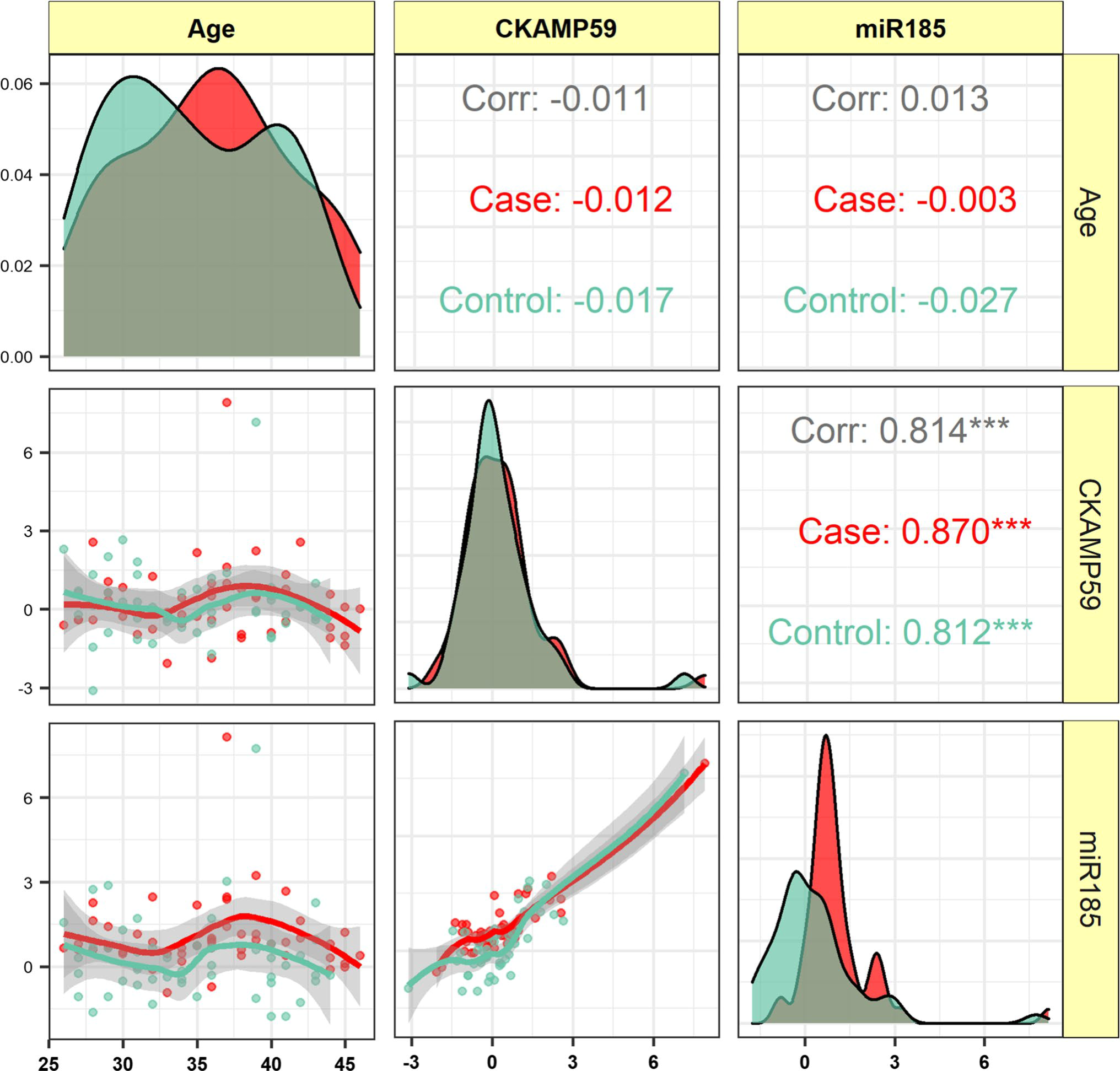 Downregulation of miR-185 is a common pathogenic event in 22q11.2 deletion syndrome-related and idiopathic schizophreniaHani Sabaie, Jalal Gharesouran, Mohammad Reza Asadi, and 7 more authors2022
Schizophrenia (SCZ) is known as a complicated mental disease with an unknown etiology. The microdeletion of 22q11.2 is the most potent genetic risk factor. Researchers are still trying to find which genes in the deletion region are linked to SCZ. MIR185, encoding microRNA (miR)-185, is present in the minimal 1.5 megabase deletion. Nonetheless, the miR-185 expression profile and its corresponding target genes in animal models and patients with 22q11.2 deletion syndrome (22q11.2DS) imply that more study is required about miR-185 and its corresponding downstream pathways within idiopathic SCZ. The expression of hsa-miR-185-5p and its corresponding target gene, shisa family member 7 (SHISA7), sometimes called CKAMP59, were evaluated in the peripheral blood (PB) samples of Iranian Azeri patients with idiopathic SCZ and healthy subjects, matched by gender and age as control groups by quantitative polymerase chain reaction (qPCR). Fifty SCZ patients (male/female: 22/28, age (mean ± standard deviation (SD)): 35.9 ± 5.6) and 50 matched healthy controls (male/female: 23/27, age (mean ± SD): 34.7 ± 5.4) were enrolled. The expression of hsa-miR-185-5p in the PB samples from subjects with idiopathic SCZ was substantially lower than in that of control groups (posterior beta = -0.985, adjusted P-value < 0.0001). There was also a difference within the expression profile between female and male subgroups (posterior beta = -0.86, adjusted P-value = 0.046 and posterior beta = -1.015, adjusted P-value = 0.004, in turn). Nevertheless, no significant difference was present in the expression level of CKAMP59 between PB samples from patients and control groups (adjusted P-value > 0.999). The analysis of the receiver operating characteristic (ROC) curve suggested that hsa-miR-185-5p may correctly distinguish subjects with idiopathic SCZ from healthy people (the area under curve (AUC) value: 0.722). Furthermore, there was a strong positive correlation between the expression pattern of the abovementioned genes in patients with SCZ and healthy subjects (r = 0.870, P < 0.001 and r = 0.812, P < 0.001, respectively), indicating that this miR works as an enhancer. More research is needed to determine if the hsa-miR-185-5p has an enhancer activity. In summary, this is the first research to highlight the expression of the miR-185 and CKAMP59 genes in the PB from subjects with idiopathic SCZ. Our findings suggest that gene expression alterations mediated by miR-185 may play a role in the pathogenesis of idiopathic and 22q11.2DS SCZ. It is worth noting that, despite a substantial and clear relationship between CKAMP59 and hsa-miR-185-5p, indicating an interactive network, their involvement in the development of SCZ should be reconsidered based on the whole blood sample since the changed expression level of CKAMP59 was not significant. Further research with greater sample sizes and particular leukocyte subsets can greatly make these results stronger.
- Sci Rep
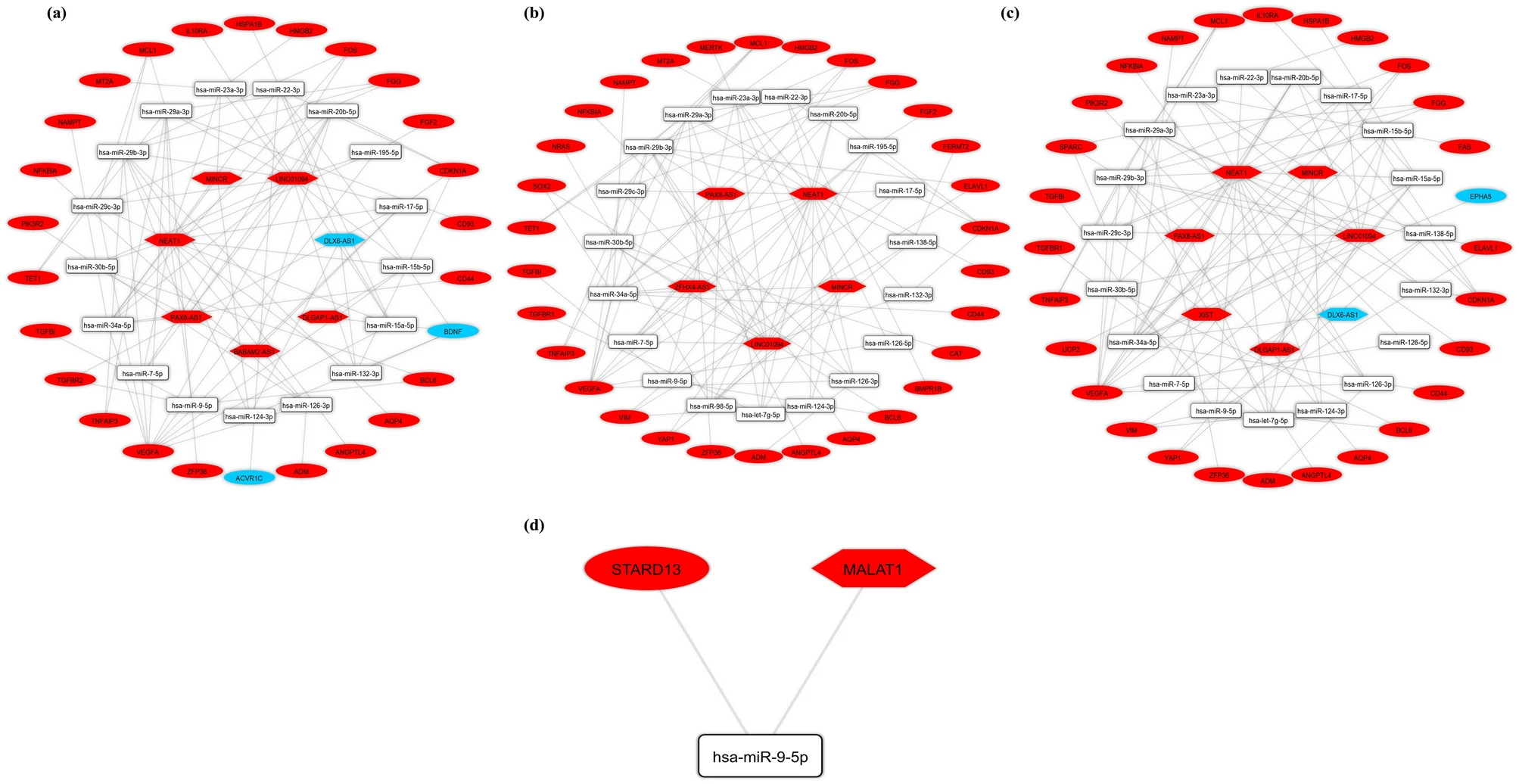 Bioinformatics analysis of long non-coding RNA-associated competing endogenous RNA network in schizophreniaHani Sabaie, Madiheh Mazaheri Moghaddam, Marziyeh Mazaheri Moghaddam, and 5 more authors2021
Schizophrenia (SCZ) is a serious psychiatric condition with a 1% lifetime risk. SCZ is one of the top ten global causes of disabilities. Despite numerous attempts to understand the function of genetic factors in SCZ development, genetic components in SCZ pathophysiology remain unknown. The competing endogenous RNA (ceRNA) network has been demonstrated to be involved in the development of many kinds of diseases. The ceRNA hypothesis states that cross-talks between coding and non-coding RNAs, including long non-coding RNAs (lncRNAs), via miRNA complementary sequences known as miRNA response elements, creates a large regulatory network across the transcriptome. In the present study, we developed a lncRNA-related ceRNA network to elucidate molecular regulatory mechanisms involved in SCZ. Microarray datasets associated with brain regions (GSE53987) and lymphoblasts (LBs) derived from peripheral blood (sample set B from GSE73129) of SCZ patients and control subjects containing information about both mRNAs and lncRNAs were downloaded from the Gene Expression Omnibus database. The GSE53987 comprised 48 brain samples taken from SCZ patients (15 HPC: hippocampus, 15 BA46: Brodmann area 46, 18 STR: striatum) and 55 brain samples taken from control subjects (18 HPC, 19 BA46, 18 STR). The sample set B of GSE73129 comprised 30 LB samples (15 patients with SCZ and 15 controls). Differentially expressed mRNAs (DEmRNAs) and lncRNAs (DElncRNAs) were identified using the limma package of the R software. Using DIANA-LncBase, Human MicroRNA Disease Database (HMDD), and miRTarBase, the lncRNA- associated ceRNA network was generated. Pathway enrichment of DEmRNAs was performed using the Enrichr tool. We developed a protein–protein interaction network of DEmRNAs and identified the top five hub genes by the use of STRING and Cytoscape, respectively. Eventually, the hub genes, DElncRNAs, and predictive miRNAs were chosen to reconstruct the subceRNA networks. Our bioinformatics analysis showed that twelve key DEmRNAs, including BDNF, VEGFA, FGF2, FOS, CD44, SOX2, NRAS, SPARC, ZFP36, FGG, ELAVL1, and STARD13, participate in the ceRNA network in SCZ. We also identified DLX6-AS1, NEAT1, MINCR, LINC01094, DLGAP1-AS1, BABAM2-AS1, PAX8-AS1, ZFHX4-AS1, XIST, and MALAT1 as key DElncRNAs regulating the genes mentioned above. Furthermore, expression of 15 DEmRNAs (e.g., ADM and HLA-DRB1) and one DElncRNA (XIST) were changed in both the brain and LB, suggesting that they could be regarded as candidates for future biomarker studies. The study indicated that ceRNAs could be research candidates for investigating SCZ molecular pathways.